



Traditional Polish Soups: The Heart of Polish Cuisine
Polish cuisine is known for its comforting, hearty dishes, and few elements represent this better than traditional Polish soups. In Poland, soup is not simply a starter; it is often a central part of the meal and sometimes even a complete dish on its own. Rich in flavour, steeped in tradition, and deeply connected to seasonal ingredients, Polish soups reflect centuries of culinary heritage and the resourcefulness of home cooking.
A Strong Soup Tradition
In Polish households, soup—known as “zupa”—is an essential part of daily life. Traditionally, a typical Polish dinner begins with a bowl of hot soup followed by a main course. This custom dates back hundreds of years and remains common today, particularly in family homes and traditional restaurants.
Polish soups are often made from simple, locally available ingredients such as vegetables, grains, meats, and herbs. Despite their simplicity, they develop deep flavours through slow cooking and careful seasoning. Many recipes have been passed down through generations, making them an important part of family tradition and national identity.
Żurek: Poland’s Iconic Sour Soup
One of the most distinctive Polish soups is żurek, a sour rye soup that is instantly recognisable for its unique flavour. Żurek is made from fermented rye flour known as zakwas, which gives the soup its characteristic tangy taste.
The soup is typically cooked with smoked sausage, garlic, and sometimes bacon or ham. Potatoes are often added for extra heartiness, and it is commonly served with a boiled egg. In some regions, żurek is served inside a hollowed-out loaf of bread, making it both visually impressive and incredibly satisfying.
Żurek is especially popular during Easter celebrations, but it is enjoyed throughout the year in homes and restaurants across Poland.
Barszcz: The Famous Beetroot Soup
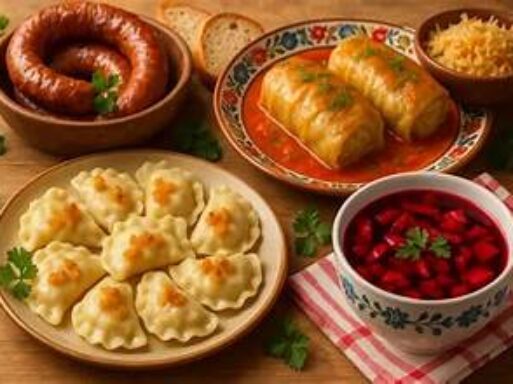
Another famous Polish soup is barszcz, a vibrant beetroot soup known for its deep red colour and slightly sweet, earthy flavour. Barszcz is one of Poland’s most internationally recognised dishes.
There are several varieties of barszcz, but one of the most traditional is barszcz czerwony, or red borscht. It is often served clear, made by simmering beetroot with vegetables, garlic, and spices. The soup is commonly enjoyed with small dumplings called uszka, which are typically filled with mushrooms.
Barszcz is particularly associated with Christmas Eve dinner in Poland, where it is served as part of the traditional twelve-dish meal known as Wigilia. However, it is also enjoyed throughout the year as a comforting and warming soup.
Rosół: Poland’s Classic Chicken Broth
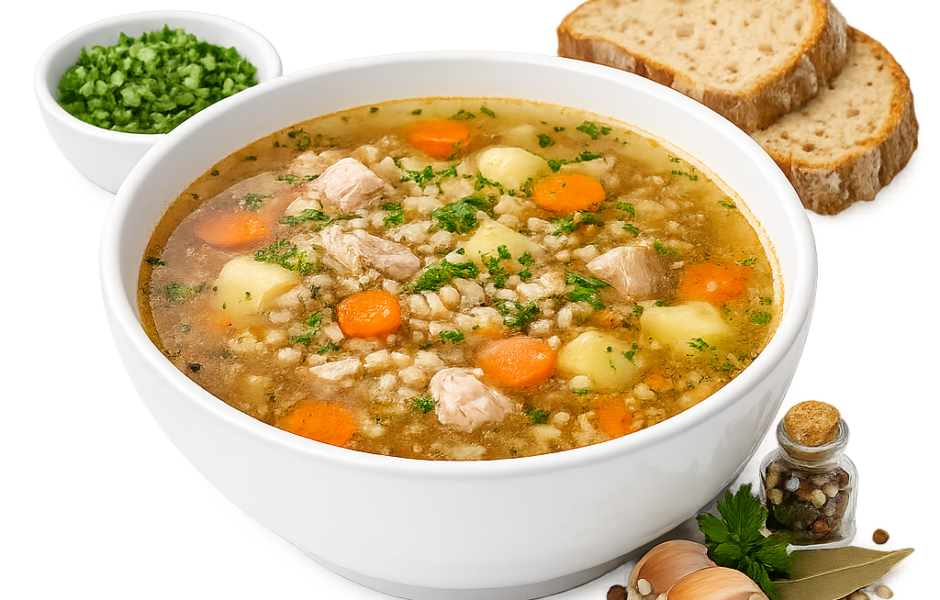
Few soups are as beloved in Poland as rosół, a clear chicken broth often considered the ultimate comfort food. This simple yet deeply flavourful soup is made by slowly simmering chicken with vegetables such as carrots, parsley root, celery, and onions.
The key to a good rosół lies in the slow cooking process, which allows the broth to develop a rich, delicate flavour. It is usually served with thin egg noodles and garnished with fresh parsley.
Rosół is often enjoyed during Sunday family meals, and many Polish families have their own cherished recipe passed down through generations. It is also traditionally served at weddings and special celebrations.
Flaki: A Historic Polish Favourite
For those looking to experience a truly traditional Polish dish, flaki is a soup with a long history. Flaki is a tripe soup made from beef stomach, slowly cooked with vegetables and seasoned generously with spices such as marjoram, pepper, and paprika.
Although it may seem unusual to some, flaki has been a beloved dish in Poland for centuries and was once served at royal banquets. The soup has a thick, hearty texture and a rich, warming flavour that makes it particularly popular during colder months.
Seasonal Soups and Fresh Ingredients
Polish cuisine also celebrates the changing seasons through its soups. Many recipes are closely tied to the availability of fresh ingredients.
During spring and summer, lighter vegetable-based soups become more popular. Chłodnik, a cold beetroot soup made with kefir or sour milk, cucumbers, and fresh herbs, is a refreshing dish often enjoyed during warm weather.
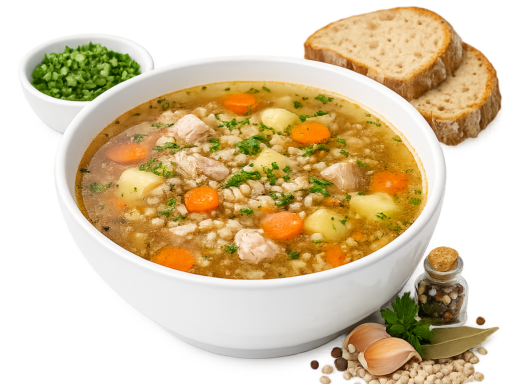
Autumn and winter bring heartier soups such as kapuśniak, a sauerkraut soup, and grochówka, a thick pea soup often made with smoked meats. These soups are rich, filling, and perfect for colder days.
More Than Just Food
Traditional Polish soups are more than simply a meal—they are an expression of hospitality, comfort, and cultural identity. Sharing a bowl of soup is a symbol of warmth and welcome, whether it is served at a festive celebration, a family gathering, or a quiet weekday dinner.
For many people, these soups evoke memories of childhood kitchens, family traditions, and recipes lovingly prepared by parents and grandparents.
A Culinary Tradition That Lives On
Despite the growing influence of modern cuisine, traditional Polish soups remain an essential part of everyday life in Poland. They continue to be enjoyed in homes, restaurants, and cafés, preserving a culinary heritage that has been passed down for generations.
Whether it is the tangy flavour of żurek, the vibrant colour of barszcz, or the comforting simplicity of rosół, Polish soups offer a delicious glimpse into the heart of Poland’s food culture—one warm bowl at a time.