

Polish cuisine is often associated with hearty soups, dumplings, and rich comfort food—but tucked among these classics is a street food favorite that perfectly captures Poland’s ability to turn simple ingredients into something unforgettable: zapiekanka.
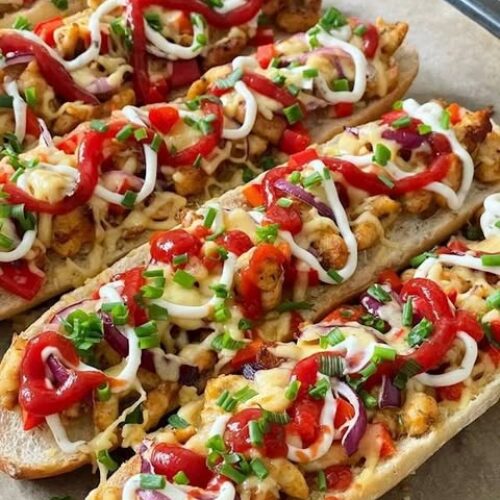
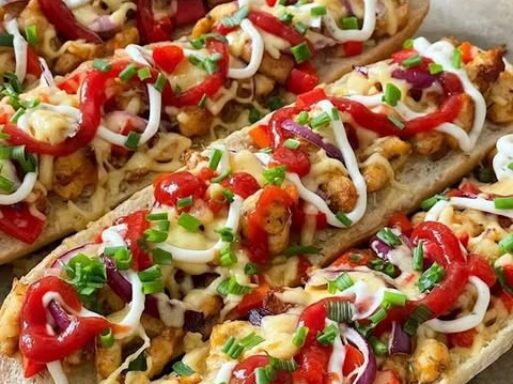
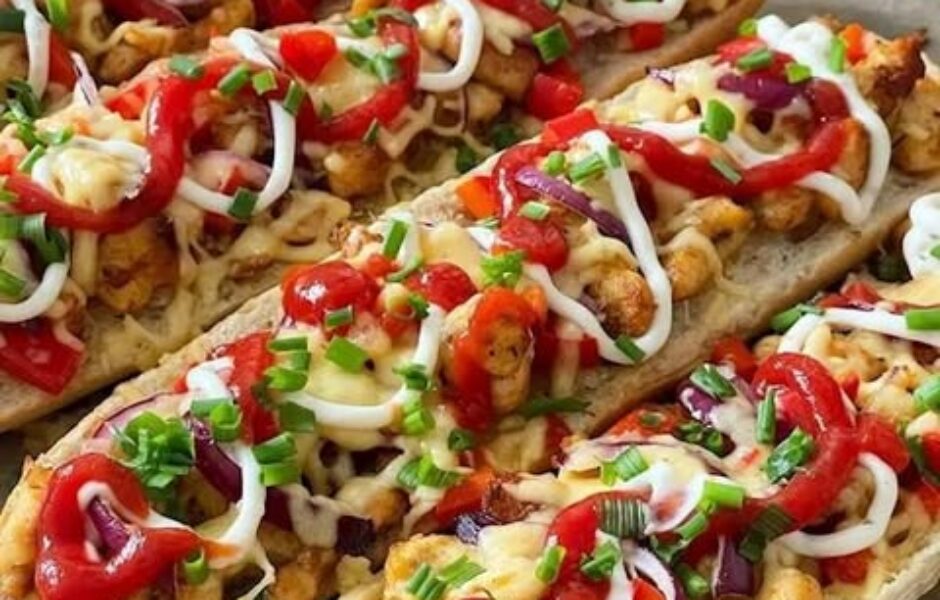
At its core, zapiekanka is an open-faced baguette topped with mushrooms, cheese, and a variety of additions, baked until crispy and finished with a generous drizzle of ketchup. While that description may sound modest, the reality is anything but. Zapiekanka is a cultural icon, a late-night staple, and a nostalgic comfort food for generations of Poles.
A Street Food Born from Simplicity
Zapiekanka first rose to popularity in the 1970s during Poland’s communist era. At the time, food shortages meant people had to get creative with limited ingredients. French-style baguettes became available, and vendors began topping them with what was accessible—typically sautéed mushrooms and cheese—before baking them in simple ovens.
What emerged was a cheap, filling, and delicious snack that quickly spread across the country. It was easy to prepare, easy to eat on the go, and adaptable depending on what ingredients were available. Over time, zapiekanka became a symbol of everyday Polish life—simple, resourceful, and satisfying.
The Classic Zapiekanka
The traditional version remains a favorite to this day. It starts with a halved baguette, usually cut lengthwise to create a long, open base. This is topped with finely chopped mushrooms that have been lightly sautéed with onions, then covered with a layer of grated cheese—often something mild and melty like gouda.
The bread is baked until the edges are crisp and the cheese is bubbling. Once out of the oven, it’s finished with a zigzag of ketchup. That final touch might surprise newcomers, but it’s an essential part of the authentic experience, adding a sweet and tangy contrast to the earthy mushrooms and rich cheese.
Endless Variations
While the classic mushroom-and-cheese version is iconic, modern zapiekanki (the plural form) have evolved far beyond their humble beginnings. Today, you’ll find countless variations across Poland, especially in cities like Kraków, where zapiekanka culture thrives.
Popular additions include ham, sausage, bacon, olives, pickles, and even grilled vegetables. Some versions incorporate garlic sauce, mayonnaise, or spicy condiments in place of—or alongside—ketchup. Others lean into more gourmet territory, featuring ingredients like smoked cheese, roasted chicken, or fresh herbs.
Despite these innovations, the essence of zapiekanka remains unchanged: a crispy base, a warm and savory topping, and a balance of flavors that feels both indulgent and comforting.
A Kraków Icon
If there’s one place synonymous with zapiekanka, it’s Plac Nowy in Kraków’s Kazimierz district. This circular market square is famous for its row of small food stalls serving some of the best zapiekanki in the country.
By day, it’s a casual spot to grab a quick bite. By night, it becomes a lively hub where locals and tourists line up for freshly baked zapiekanki after an evening out. The atmosphere is part of the experience—informal, energetic, and unmistakably Polish.
Each stall has its own twist, and part of the fun is trying different versions to find your favorite. Whether you stick to the classic or venture into more adventurous toppings, Plac Nowy offers a perfect introduction to this beloved street food.
Why Zapiekanka Endures
What makes zapiekanka so enduring isn’t just its taste—it’s its versatility and accessibility. It’s a food that doesn’t rely on expensive ingredients or complex techniques. Instead, it celebrates the idea that good food can come from simple beginnings.
It’s also deeply tied to memory and culture. For many Poles, zapiekanka is associated with childhood, late-night outings, or quick meals shared with friends. It’s the kind of food that feels familiar even if you’re trying it for the first time.
In a world where street food trends come and go, zapiekanka has remained remarkably consistent. It has adapted just enough to stay relevant, while still honoring the version that made it popular decades ago.
Bringing Zapiekanka Home
One of the best things about zapiekanka is how easy it is to recreate at home. With a good-quality baguette, some mushrooms, cheese, and a few pantry staples, you can capture the essence of this Polish favorite in your own kitchen.
It’s a great option for a quick lunch, a casual dinner, or even a crowd-pleasing snack. And because it’s so customizable, you can experiment with toppings to suit your tastes while still staying true to its roots.
A Taste of Poland in Every Bite
Zapiekanka may not be as internationally famous as pierogi or bigos, but it holds a special place in Poland’s culinary landscape. It’s a reminder that food doesn’t have to be complicated to be meaningful—or delicious.
Whether you’re wandering the streets of Kraków or making it at home, zapiekanka offers a taste of Polish culture that is warm, approachable, and deeply satisfying.