



Traditional British Cuisine: A Celebration of Heritage and Comfort
Traditional British cuisine is rooted in history, shaped by the land, the seasons, and centuries of cultural influence. Known for its hearty portions and comforting flavors, British food has long been associated with simple, wholesome ingredients cooked in a way that brings out their natural taste. While modern British gastronomy has evolved with international influences, traditional dishes remain an important part of the country’s culinary identity and continue to be enjoyed both in homes and restaurants across the United Kingdom.
One of the defining features of traditional British cuisine is its emphasis on local produce. Historically, meals were built around ingredients that were readily available: beef, lamb, pork, potatoes, root vegetables, grains, and dairy products. The British climate favored hardy vegetables such as carrots, cabbage, peas, onions, and turnips, which became staples in many classic recipes.
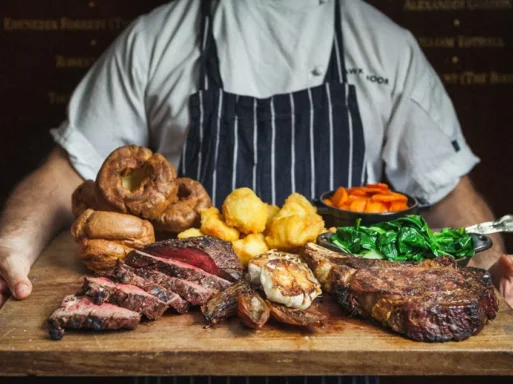
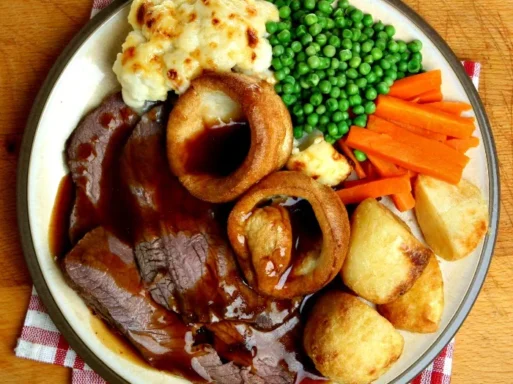
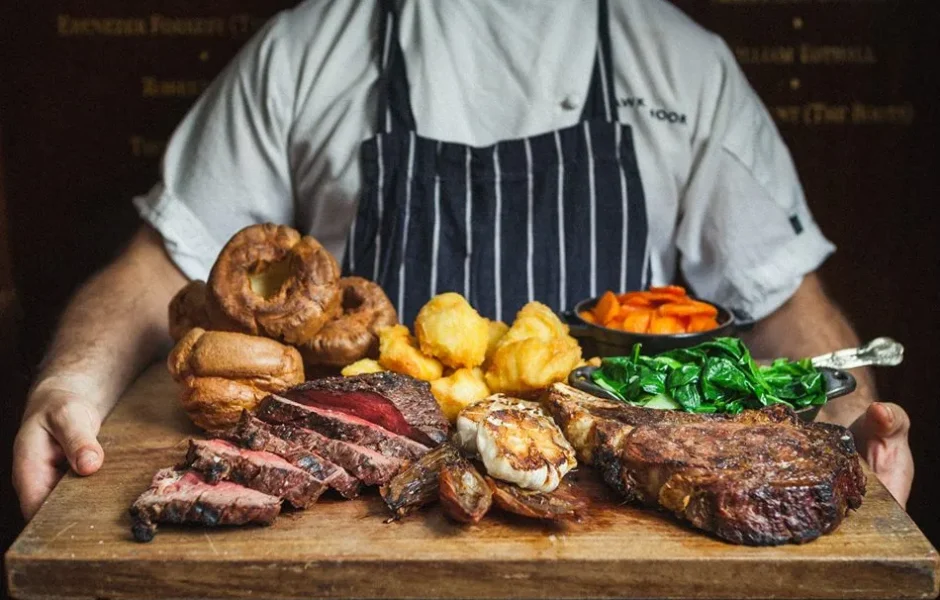
Perhaps the most iconic meal in Britain is the Sunday roast. This traditional family meal dates back centuries and remains a beloved weekly ritual. A classic Sunday roast usually features roasted meat—commonly beef, chicken, pork, or lamb—served with roasted potatoes, seasonal vegetables, rich gravy, and the famous Yorkshire pudding. Yorkshire pudding, made from a simple batter of eggs, flour, and milk, is baked until golden and crispy and is traditionally served alongside roast beef to soak up the gravy.
Another legendary British dish is fish and chips. Originating in the 19th century, fish and chips became a staple of working-class Britain during the Industrial Revolution. The dish typically consists of battered and deep-fried white fish, usually cod or haddock, served with thick-cut chips. It is often accompanied by mushy peas, tartar sauce, and malt vinegar. Fish and chip shops quickly spread throughout the UK and became an integral part of British food culture.
The Full English Breakfast is another classic that represents British comfort food at its best. Traditionally served as a substantial morning meal, it includes bacon, sausages, eggs, baked beans, grilled tomatoes, mushrooms, and toast. Many variations also include black pudding and hash browns. Historically, this breakfast was designed to provide enough energy for a long day of physical work, but today it remains popular as a weekend treat or café favorite.
Pies also play a major role in British culinary tradition. British pies are typically savory and filled with meat, gravy, and vegetables, then topped with pastry or mashed potatoes. Famous examples include steak and ale pie, chicken and mushroom pie, and shepherd’s pie. Shepherd’s pie is made with minced lamb and topped with mashed potatoes, while cottage pie uses minced beef instead. These dishes are known for their rich flavor and satisfying texture, making them popular comfort foods during colder months.
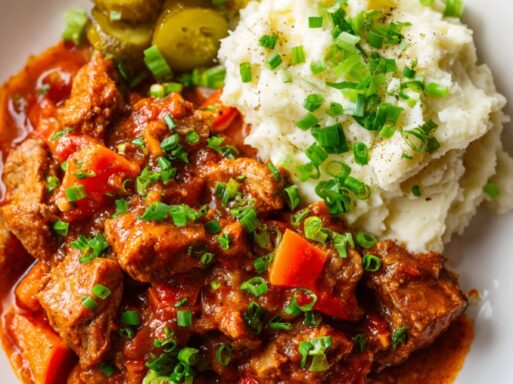
Stews and casseroles are another cornerstone of traditional British cooking. Dishes such as beef stew, Lancashire hotpot, and Irish stew showcase slow-cooked meats combined with vegetables and herbs. These meals were historically prepared in one pot and left to cook slowly, allowing inexpensive cuts of meat to become tender and flavorful.
British cuisine also has a strong tradition of puddings and desserts. In Britain, the word “pudding” can refer to both sweet desserts and savory dishes. Classic sweet puddings include sticky toffee pudding, spotted dick, bread and butter pudding, and rice pudding. These desserts are often served warm and accompanied by custard, cream, or ice cream.
Afternoon tea is another important element of British culinary culture. Introduced in the 19th century, afternoon tea includes a selection of sandwiches, scones with clotted cream and jam, cakes, and pastries served alongside tea. It remains a popular social tradition across the UK and has become a symbol of British hospitality.
Regional specialties also contribute to the richness of British cuisine. In Cornwall, the famous Cornish pasty is a pastry filled with beef, potatoes, onions, and swede. In Scotland, dishes such as haggis and Scotch broth are traditional favorites. Wales is known for Welsh rarebit, a savory cheese sauce served on toasted bread. Each region brings its own ingredients and culinary traditions to the broader British food culture.
Despite stereotypes that British food is plain, the truth is that traditional British cuisine celebrates quality ingredients and honest cooking. The flavors may be simple, but they are comforting, satisfying, and deeply rooted in tradition.
Today, many restaurants and gastropubs across Britain continue to celebrate these classic dishes while adding modern touches. Whether it’s a perfectly cooked Sunday roast, crispy fish and chips by the seaside, or a warm pie on a cold evening, traditional British cuisine remains a proud reflection of the country’s history, culture, and love of good food.