



The Tradition of Italian Pizza: A Culinary Icon
Few foods are as universally loved as Italian pizza. From bustling city restaurants to small neighbourhood pizzerias, pizza has become one of the most recognised and enjoyed dishes in the world. Yet despite its global popularity, the roots of traditional Italian pizza remain deeply tied to the culture, ingredients, and craftsmanship of Italy itself.
Traditional Italian pizza is far more than a quick meal or takeaway favourite. It is a symbol of simplicity, quality ingredients, and centuries of culinary tradition.
The Origins of Pizza
Pizza, as we know it today, originates from Naples in southern Italy. While flatbreads topped with various ingredients have existed for thousands of years across many cultures, the modern form of pizza developed in Naples during the 18th and early 19th centuries.
At the time, Naples was a bustling port city with a large working-class population. Street vendors began selling flatbread topped with simple ingredients such as garlic, lard, herbs, and cheese. These affordable meals quickly became popular among labourers who needed something filling and inexpensive.
The most famous moment in pizza history came in 1889, when a Neapolitan pizzaiolo named Raffaele Esposito created a pizza to honour Queen Margherita of Savoy during her visit to Naples. The pizza featured tomatoes, mozzarella, and basil — ingredients chosen to represent the colours of the Italian flag: red, white, and green. This creation became known as the Pizza Margherita, and it remains one of the most iconic pizzas in the world.
The Importance of Simplicity
One of the defining features of traditional Italian pizza is its simplicity. Unlike some modern interpretations that include dozens of toppings, authentic Italian pizza focuses on a small number of high-quality ingredients.
The philosophy behind this approach is that every ingredient should shine. When made properly, even the simplest pizza can deliver incredible flavour.
Traditional Neapolitan pizza typically includes:
- Fresh pizza dough
- San Marzano tomatoes
- Fresh mozzarella cheese
- Extra virgin olive oil
- Fresh basil
These ingredients combine to create a balanced and flavourful dish that highlights the natural taste of each component.
The Dough: The Foundation of Great Pizza
The heart of any great pizza is the dough. Traditional Italian pizza dough is made using only a few basic ingredients: flour, water, salt, and yeast. However, the process of preparing the dough requires skill and patience.
Authentic pizza dough is usually left to ferment slowly for many hours, sometimes up to 24 hours. This slow fermentation helps develop flavour and creates the light, airy texture that Italian pizza is known for.
Once the dough is ready, it is carefully stretched by hand rather than rolled with a pin. This technique helps preserve the natural air bubbles in the dough, giving the finished crust its characteristic soft interior and slightly crisp edges.
The Wood-Fired Oven
Another key element of traditional Italian pizza is the wood-fired oven, known as a forno a legna. These ovens reach extremely high temperatures, often around 450–500°C (850–900°F).
At these temperatures, pizzas cook in just 60 to 90 seconds. The intense heat creates the signature texture of Neapolitan pizza: a soft centre with slightly charred, blistered edges known as the cornicione.
The wood fire also adds a subtle smoky flavour that enhances the overall taste of the pizza.
Famous Types of Italian Pizza
Although many variations of pizza exist across Italy, a few classic styles remain particularly famous.
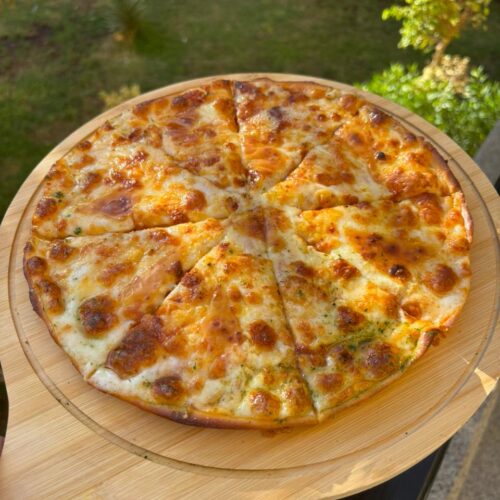
Pizza Margherita is perhaps the most well-known. With tomato, mozzarella, basil, and olive oil, it represents the essence of Italian simplicity.
Pizza Marinara is another traditional Neapolitan favourite. Despite its name, it does not contain seafood. Instead, it features tomato sauce, garlic, oregano, and olive oil. It is one of the oldest known pizzas and highlights how delicious simple ingredients can be.
Pizza Quattro Stagioni translates to “four seasons” and is divided into sections with different toppings representing each season, such as mushrooms, artichokes, ham, and olives.
Each of these pizzas showcases the diversity of Italian pizza while maintaining the core principles of balance and quality ingredients.
Pizza as a Cultural Experience
In Italy, pizza is not just food — it is part of everyday life and social culture. Pizzerias are places where families and friends gather to share meals, conversation, and laughter.
Unlike some international pizza styles, traditional Italian pizzas are usually individual-sized, meaning each person orders their own pizza rather than sharing large slices. This reflects the Italian approach to dining, where meals are meant to be enjoyed slowly and personally.
A Global Favourite
Today, pizza has spread far beyond Italy, inspiring countless regional variations around the world. From New York-style pizza to Chicago deep-dish and countless creative toppings, every culture has adapted pizza in its own way.
Despite these variations, the traditional Italian pizza remains the foundation of it all. Its emphasis on fresh ingredients, simple preparation, and authentic cooking methods continues to inspire chefs and food lovers everywhere.
A Timeless Classic
Traditional Italian pizza is a perfect example of how simple food can become extraordinary when made with care and quality ingredients. Its history, craftsmanship, and cultural importance make it far more than just a popular dish.
Whether enjoyed in a small Neapolitan pizzeria or recreated in kitchens around the world, authentic Italian pizza remains one of the most beloved culinary traditions ever created.