


Traditional Polish cuisine is rich, hearty, and deeply connected to the country’s history, climate, and agricultural traditions. Developed over centuries, Polish food reflects a blend of influences from neighboring cultures while maintaining a distinct identity rooted in simple ingredients, slow cooking methods, and comforting flavors. For many people, Polish cuisine represents warmth, family gatherings, and satisfying dishes that are perfect for sharing around the table.
At the heart of traditional Polish cooking are ingredients that thrive in Central Europe’s climate. Potatoes, cabbage, root vegetables, grains, mushrooms, and meats such as pork, beef, and poultry form the foundation of many classic dishes. These ingredients are often combined in creative ways to produce meals that are filling and full of flavor. Fresh herbs such as dill and parsley, along with spices like marjoram and caraway seeds, are frequently used to enhance the natural taste of the food.
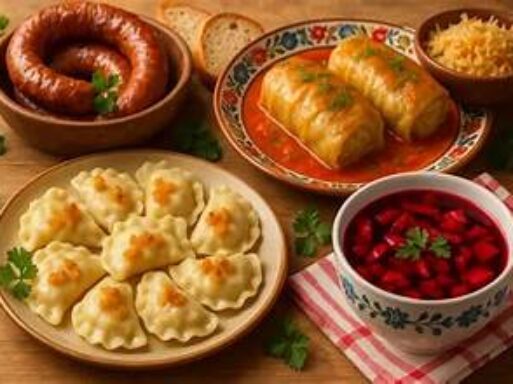
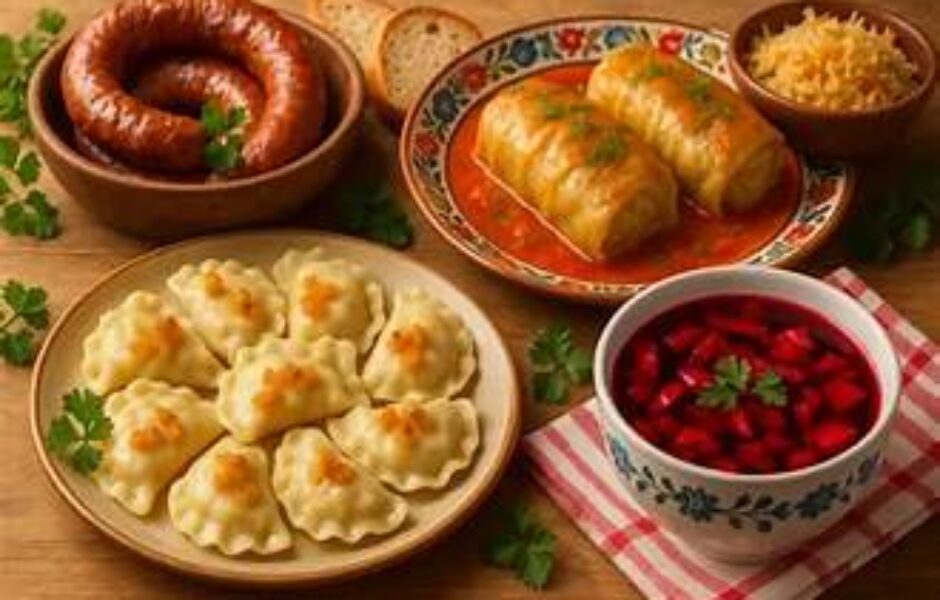
One of the most famous dishes associated with Polish cuisine is pierogi. These delicious dumplings are made from soft dough and filled with a variety of ingredients, including potato and cheese, minced meat, sauerkraut, mushrooms, or sweet fillings like fruit. Pierogi are usually boiled and then lightly fried in butter, often served with caramelized onions or sour cream. They are a staple at family dinners, celebrations, and holidays throughout Poland.
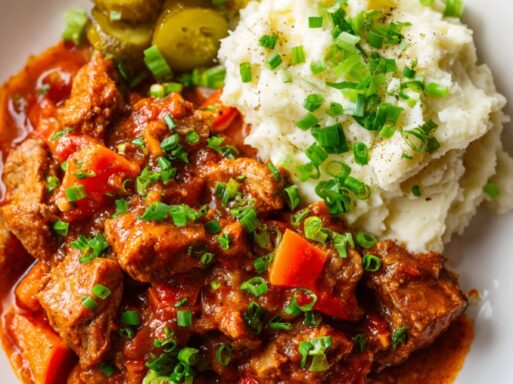
Another iconic Polish dish is bigos, often referred to as “hunter’s stew.” Bigos is a slow-cooked stew made with sauerkraut, fresh cabbage, various meats, and smoked sausages. The dish is simmered for hours, sometimes even over several days, allowing the flavors to deepen and blend together. It is commonly served during the colder months and is especially popular during winter gatherings and festive celebrations.
Soups also play a major role in traditional Polish cuisine. Many meals begin with a hearty bowl of soup that is both nourishing and flavorful. One of the most well-known is żurek, a sour rye soup typically served with sausage, potatoes, and sometimes a boiled egg. Another popular soup is barszcz, a vibrant beetroot soup that can be served clear or with dumplings. Barszcz is especially associated with Christmas Eve celebrations, where it is traditionally served with small mushroom-filled dumplings called uszka.
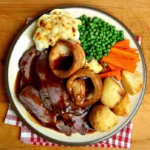
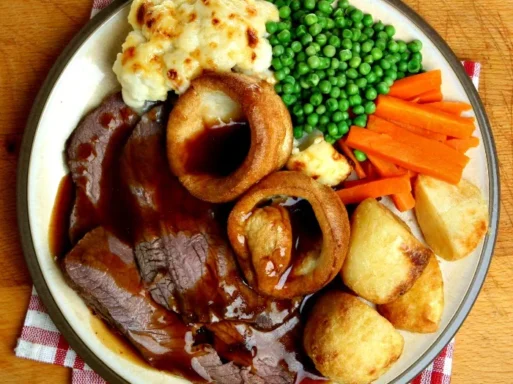
Meat dishes are central to Polish cooking, particularly pork and poultry. A classic example is kotlet schabowy, a breaded pork cutlet similar to the Austrian schnitzel. It is usually served with mashed potatoes and a side of cabbage or pickled vegetables. Roast meats are also common, particularly during Sunday family meals, which are an important tradition in many Polish households.
Sausages, known as kiełbasa, are another essential part of Polish cuisine. Poland is famous for its wide variety of sausages, each with unique flavors and preparation methods. Some are smoked, others are fresh, and many are flavored with garlic, marjoram, and pepper. Kiełbasa can be grilled, fried, boiled, or added to soups and stews, making it an incredibly versatile ingredient in Polish cooking.
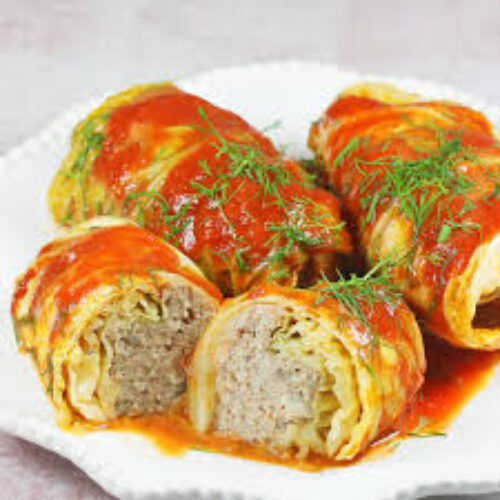
Cabbage appears in many traditional dishes as well. It is used fresh, pickled, or fermented into sauerkraut. Dishes such as gołąbki, which are cabbage leaves stuffed with meat and rice, showcase how simple ingredients can be transformed into something delicious and satisfying. Sauerkraut itself is often served as a side dish or incorporated into stews and dumplings.
Bread is another important element of Polish cuisine. Traditional Polish bread is often dense, flavorful, and baked using rye flour or sourdough methods. It is commonly served with butter, cured meats, cheeses, or pickles. Bread accompanies almost every meal and holds an important cultural significance in Polish households.
Polish cuisine also has a wonderful selection of desserts and sweet treats. Popular examples include sernik, a creamy cheesecake often flavored with vanilla or citrus, and makowiec, a poppy seed roll that is commonly enjoyed during the holiday season. Paczki, deep-fried doughnuts filled with jam or custard, are especially popular before the beginning of Lent.
What truly makes Polish cuisine special is its connection to tradition and family. Many recipes are passed down through generations, and meals are often prepared using techniques that have remained unchanged for decades. Cooking and eating together are central parts of Polish culture, bringing people together to celebrate life’s moments both big and small.
Today, traditional Polish cuisine continues to be enjoyed around the world. Restaurants and chefs proudly share these classic dishes with new audiences, keeping the heritage of Polish cooking alive. Whether it’s a comforting bowl of soup, a plate of handmade pierogi, or a slow-cooked stew filled with rich flavors, Polish cuisine offers a delicious glimpse into the country’s history, culture, and love of good food.